
Our Guiding Principles
1. Interconnection is Truth
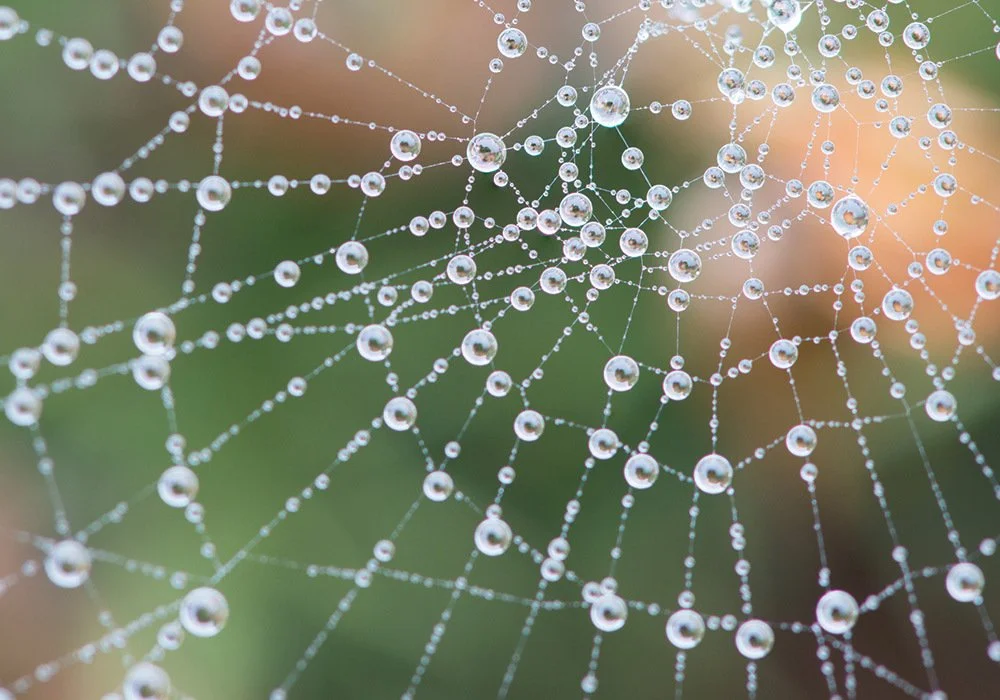
Emerging science confirms what ancient cultures always knew: we are profoundly interconnected — biologically, emotionally, ecologically. That life is sustained through balance, reciprocity, and respect — that care for Country is care for community, and care for all living beings is care for oneself.
Interconnection is not a philosophy — it is the architecture of life itself.
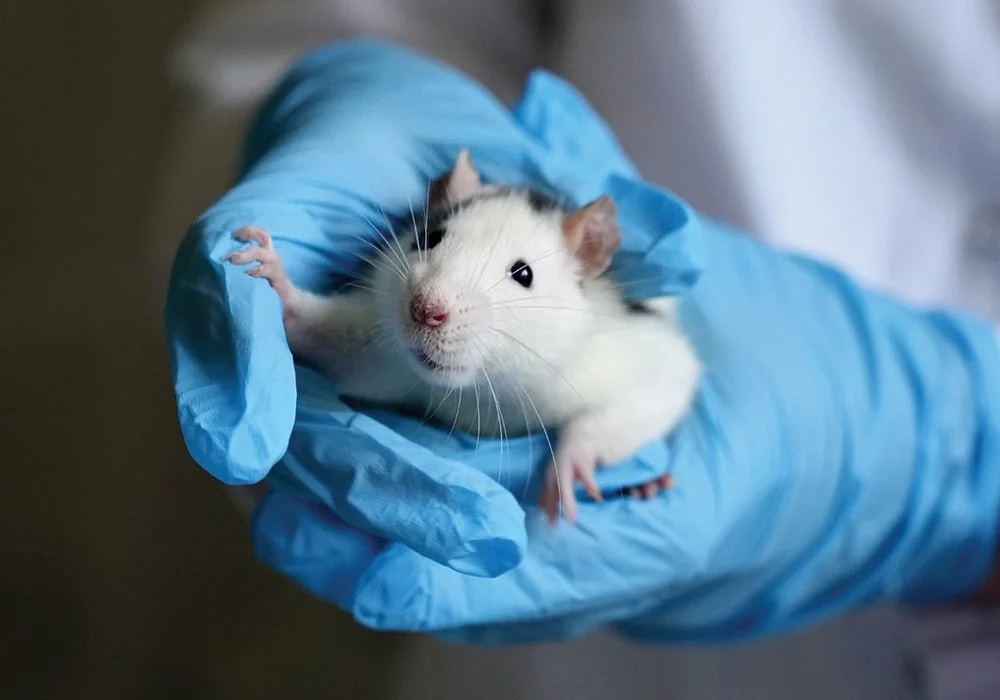
To honour this truth is to create systems that respect the delicate, profound and inescapable ties that bind the wellbeing of animals, humans and Earth.
We honour this truth in every decision we make.
2. Compassion as Intelligence
Compassion is not sentiment — it is a profound form of intelligence. It is our evolutionary ally: it signals where change is needed, expands our moral horizon, and steers us toward systems that honour life rather than diminish it.
Neuroscience now shows what ancient cultures long understood: compassion is a biological capacity embedded in our nervous system, our emotional circuitry, and the neurochemistry of bonding and care. It widens our perspective, strengthens resilience, and becomes a catalyst for moral courage.
Compassion moves us to recognise suffering and act to alleviate it — in animals, in people, and in the Earth herself.
3. Kindness as Human Nature
Kindness is more than behaviour — it is a natural human impulse that supports wellbeing, connection and healing.
Research across psychology, behavioural science and evolutionary biology affirms that kindness is woven into who we are.
Acts of kindness activate reward pathways in the brain, reduce stress, foster belonging and generate “upward spirals” that expand human potential.
Where compassion recognises suffering, kindness translates our values into everyday action. It is compassion in motion — the small choices that accumulate into a kinder world.
4. Harm Harms Us
Studies in psychology and secondary trauma reveal a profound truth: when we participate in or ignore harm, we carry the consequences within ourselves.
Moral Injury — the psychological, social, and spiritual harm that results from witnessing, perpetrating, or failing to prevent acts that violate one’s deeply held moral beliefs — is increasingly recognised as a precursor to Post Traumatic Stress Disorder (PTSD) and depression.
Psychological safety requires a working environment where one can act in accordance with their inherent human instinct to be compassionate and kind.
The human nervous system is not built to inflict suffering without consequence. When we override our innate compassion or remain inside systems that normalise harm, we fracture something essential within ourselves.
To heal our world, we must understand that harm is never contained — that evolving our thinking towards minimising harm to others, whether human, animal or the planet — heals, uplifts and benefits all.
5. Creativity & Courage Shape the Future
Creativity allows us to see beyond inherited systems — to imagine regenerative economies, compassionate industries, and research practices that honour life rather than exploit it. It is a birthright of humanity: the ability to envision something better and bring it into being.
Courage is the companion to creativity — the willingness to build new pathways where none yet exist.
Every social transformation in history — abolition, civil rights, environmental protection, animal protection, public health — began with individuals and communities who dared to imagine more.
Today, neuroscience shows that creativity flourishes when people feel safe, connected and purposeful — the very qualities that compassion and kindness nurture.
To shape a future worthy of all beings, we must combine the imagination to see a better world with the courage to build it.
This is how transformational change becomes possible.